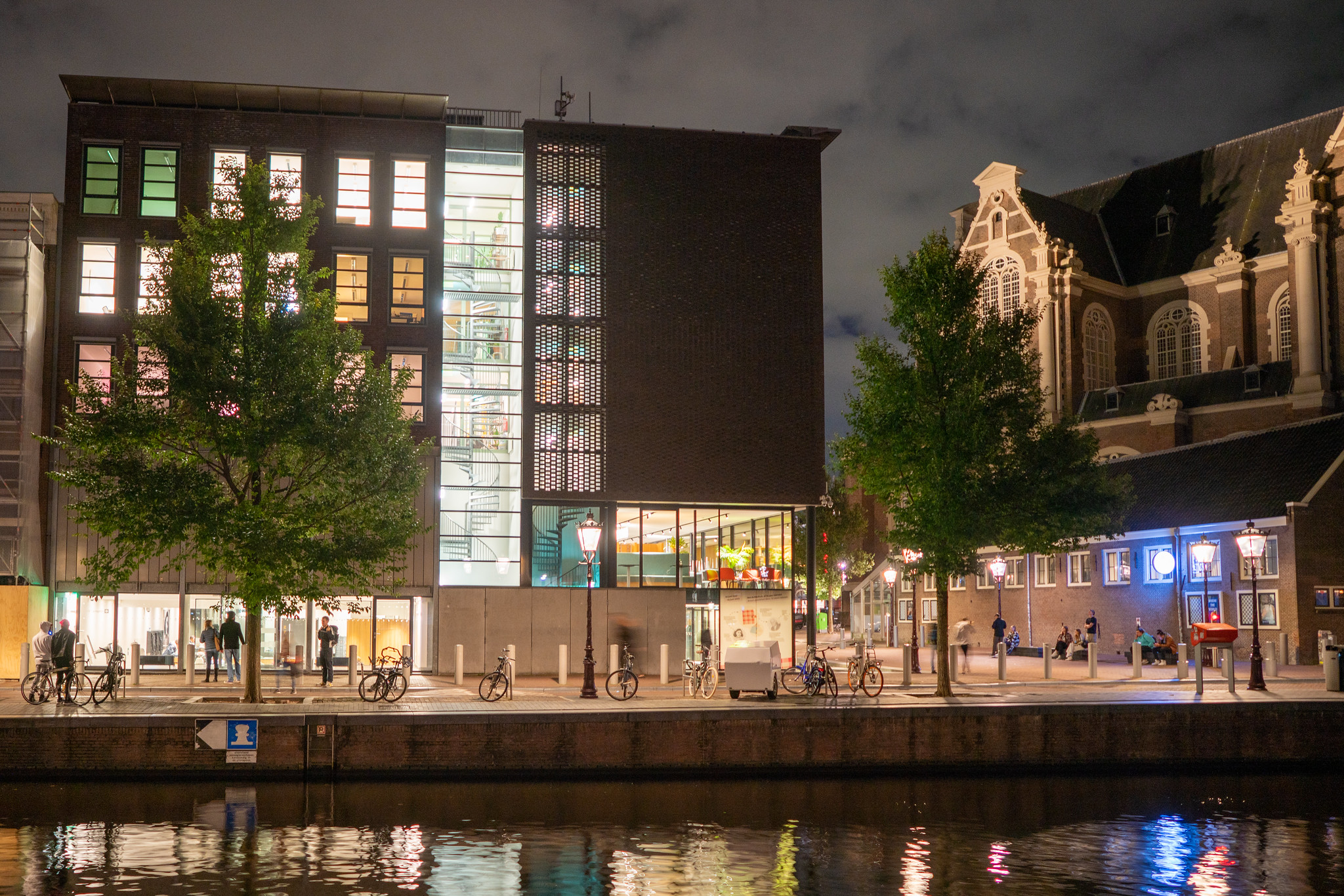
Visiting the Anne Frank House: Essential Tips and Fascinating Facts
The Anne Frank House in Amsterdam is one of the most poignant and popular attractions in the Netherlands, drawing millions of visitors each year. It offers a deeply emotional and historical journey into the life of Anne Frank, a young Jewish girl who documented her experience of hiding from the Nazis during World War II. Before you visit, it’s helpful to know some key facts and tips to ensure your experience is as meaningful and smooth as possible.
Plan Ahead: Tickets and Timing
One of the most important things to know about visiting the Anne Frank House is that guided tours must be purchased online in advance. Due to high demand and the intimate nature of the museum, tickets often sell out weeks in advance. There is no option to buy tickets at the door, so plan your visit ahead of time. The museum typically releases tickets for sale two months in advance, and you can select your preferred time slot for entry. Try to book early mornings or late afternoons to avoid peak hours.
It’s also good to note that the museum has no large bags or suitcase storage, so pack lightly or store your belongings at nearby lockers in the city.
The Layout of the Museum
The Anne Frank House is divided into several sections. Visitors begin in the front section, which was once the business offices of Otto Frank, Anne’s father. This leads to the “Secret Annex,” the hidden section at the back of the building where Anne and seven others lived in hiding for more than two years. The annex is preserved in its original state, with the rooms left bare as they were after the Nazis discovered the occupants.
You’ll follow a carefully designed route that leads you through the annex, including the famous movable bookcase that concealed the entrance to the hiding place. As you walk through the rooms, you’ll see Anne’s original diary and various personal belongings of the Frank family. Each room is accompanied by detailed exhibits about the lives of those in hiding and the historical context of the time.
Learn from the Audio Guide
The museum offers an audio guide available in multiple languages, which is highly recommended. It provides in-depth background and personal insights, helping you understand the significance of each room and exhibit. The guide includes excerpts from Anne’s diary, which bring the experience to life as you walk through the spaces where she wrote her famous account.
Best Time to Visit
While tickets are timed to prevent overcrowding, the museum can still feel quite busy. To have a quieter, more reflective experience, visit early in the morning or later in the evening. The museum also stays open late on Saturdays, allowing you to avoid the mid-day rush. Additionally, if possible, try to visit during the off-season months (from November to March), as these tend to be less crowded.
Accessibility and Considerations
Due to the historical nature of the building, access to certain areas may be challenging for those with mobility issues. The steep staircases, especially leading to the Secret Annex, can be difficult to navigate. However, there is a virtual tour on the museum’s website that allows those unable to visit in person or climb the stairs to experience the site online.
Historical Insights and Emotional Impact
For many, the most moving aspect of visiting the Anne Frank House is seeing how small and cramped the living quarters were for the eight people hiding there. The windows were blacked out, and the inhabitants had to stay silent during working hours to avoid detection. Despite these challenges, Anne’s diary entries reveal her remarkable optimism and courage in the face of unimaginable fear.
What’s particularly striking is that Anne Frank was not a passive victim of history but an active voice who aspired to be a writer. Her diary has since been translated into over 70 languages and remains one of the most important accounts of the Holocaust.
Another emotional aspect of the visit is learning about the helpers, brave individuals like Miep Gies and Bep Voskuijl, who risked their lives to bring food and supplies to the annex. Without these courageous friends, the Frank family and the others in hiding would not have survived as long as they did.
After the annex was discovered in August 1944, Anne, her sister Margot, and their mother Edith were deported to concentration camps. Anne and Margot tragically died of typhus in the Bergen-Belsen camp in early 1945, just weeks before it was liberated. Otto Frank, Anne’s father, was the only member of the family to survive the war. He later published Anne’s diary, which became one of the most iconic books of the 20th century.
Reflect After Your Visit
Once you have completed the tour, take some time to reflect in the museum’s café or bookstore. The museum shop offers a wide variety of educational materials, including editions of Anne Frank’s diary, books on the Holocaust, and documentaries. Taking a moment to absorb the emotional weight of the visit is important, as many people find it a deeply moving experience.
Visiting the Anne Frank House is not only a journey through a key chapter of history but also an opportunity to connect with the personal story of a young girl whose words have inspired generations. Be sure to plan ahead by booking tickets in advance, use the audio guide to deepen your understanding, and prepare for an emotional but enlightening experience. As you walk through the rooms where Anne and her family lived in fear, you’ll come away with a profound appreciation of her resilience, courage, and the lasting power of her words.