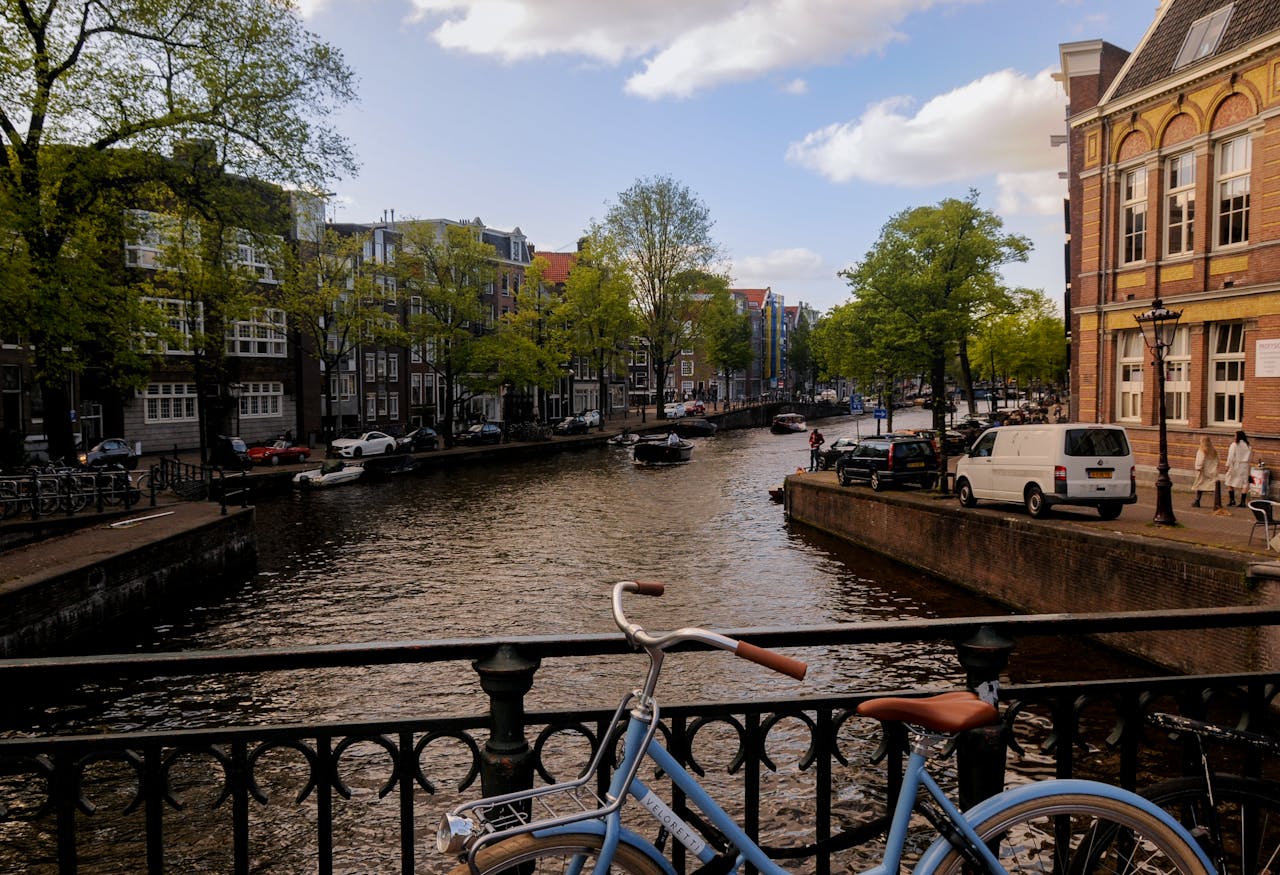
A Guide to Exploring the Canals of Amsterdam
Amsterdam’s canals are one of its most defining features, threading through the city like a network of glistening veins that tell a story of centuries past. Often referred to as the “Venice of the North,” Amsterdam is home to over 100 kilometers of canals, 90 islands, and 1,500 bridges. These canals, which were designated a UNESCO World Heritage site in 2010, are not only a scenic marvel but also a window into the city’s rich history, cultural identity, and modern lifestyle. Walking, cycling, or boating along them is one of the best ways to truly experience the heart of Amsterdam.
A Historical Masterpiece
The canal system as we know it today was primarily constructed during the 17th century, a period known as the Dutch Golden Age. During this time, Amsterdam was one of the wealthiest cities in the world, and the canals played a crucial role in its growth and success. The design was both practical and aesthetic: canals helped with water management in a city built on marshland, while also serving as transportation routes for goods and people. At the same time, they provided a picturesque backdrop for grand merchant houses, which still line the canals today.
The main canal belt, known as the Grachtengordel, is made up of four prominent canals: the Singel, Herengracht, Keizersgracht, and Prinsengracht. Each has its own charm and character. The Singel, once a moat around the medieval city, is now lined with beautiful old houses, cafés, and shops. The Herengracht, named after the city’s wealthy merchants, boasts some of Amsterdam’s grandest homes, while the Keizersgracht, the widest of the canals, is lined with impressive mansions. The lively Prinsengracht is home to many houseboats and leads to iconic attractions like the Anne Frank House.
The Romance of Canal Boat Tours
One of the most enchanting ways to explore Amsterdam is from the water. Canal boat tours offer a serene, unobstructed view of the city’s most picturesque sights. Whether you opt for a traditional guided tour or a private boat rental, gliding through the canals reveals hidden gems at every turn. At night, the city takes on an almost magical quality, as the bridges and narrow streets are illuminated, casting shimmering reflections on the water’s surface.
Some boat tours even offer dinner or drinks onboard, allowing you to enjoy local cuisine and Dutch hospitality while cruising beneath centuries-old bridges. The views of the historic buildings, quaint houseboats, and iconic churches from the water provide a perspective that walking or cycling through the city can’t quite replicate.
Canal Houseboats: A Unique Slice of Life
Amsterdam’s houseboats are another fascinating aspect of canal life. With over 2,500 houseboats dotting the canals, these floating homes are a quirky yet integral part of the city. Some are modern and luxurious, while others are quaint and traditional, providing a glimpse into an alternative way of life in the city. Visitors can even stay in houseboat hotels, an experience that brings you closer to the water, offering a unique and peaceful place to rest after a day of exploring.
Many houseboats are permanently docked and equipped with all the comforts of a regular home. Some residents have even transformed their boats into charming gardens, with potted plants, flowers, and even small trees decorating the decks.
The Bridges: Connections and Stories
Bridges are another iconic feature of Amsterdam’s canals. Each bridge has its own story, connecting the maze of streets and pathways that stretch across the water. The Magere Brug, or “Skinny Bridge,” is perhaps the most famous. This white wooden drawbridge over the Amstel River is said to have been built by two wealthy sisters who lived on opposite sides of the river. The sisters wanted an easy way to visit each other, but were reportedly quite frugal, hence the bridge’s original narrow design.
Today, the bridge is illuminated by over 1,200 lights at night, making it a romantic spot for evening strolls or a stop on a canal tour. Other notable bridges include the Blauwbrug, which was inspired by Parisian bridges, and the charming Torensluis, the city’s oldest and widest bridge, which still has remnants of an old prison beneath it.
Cycling Along the Canals
If you prefer to stay on dry land, cycling along the canals is one of the most enjoyable ways to explore Amsterdam. Biking is ingrained in Dutch culture, and the city’s flat landscape makes it ideal for cycling. As you pedal along, you’ll pass quaint cafés, antique shops, art galleries, and local markets, all while catching glimpses of the life that unfolds along the water’s edge.
Many of the canal-side streets are quiet and free from heavy traffic, creating a relaxed atmosphere perfect for casual exploration. Along the way, you’ll encounter beautiful spots like the Begijnhof, a peaceful courtyard near the canals, and the many street markets where locals sell fresh produce, flowers, and handmade crafts.
Canal Festivals and Events
The canals are not just scenic relics of the past—they’re also the stage for many of Amsterdam’s modern events. Every August, the city comes alive with the Grachtenfestival, a week-long classical music festival with performances held on boats, in gardens, and along the canal banks. The canals also host the world-famous Amsterdam Light Festival during the winter months. Artists from around the globe create stunning light installations that float on the water or line the bridges, turning the canals into an open-air art gallery.
A UNESCO World Heritage Site
In 2010, Amsterdam’s canal belt was recognized as a UNESCO World Heritage site, cementing its importance as one of the most unique and well-preserved city planning feats in the world. The designation celebrates not only the architectural beauty of the canals but also their historical significance in shaping the city’s identity. This recognition ensures that the canals will continue to be maintained and protected for future generations to enjoy.
A City Shaped by Water
Amsterdam’s canals are far more than just a pretty sight—they are a testament to the city’s ingenuity, resilience, and charm. Whether you choose to explore them by boat, by foot, or by bike, the canals offer an unforgettable experience that weaves together the old and the new, the bustling and the serene. The water reflects the ever-changing sky, the bridges connect lives and stories, and the houseboats remind you that in Amsterdam, life is always just a little bit different, a little bit more magical.