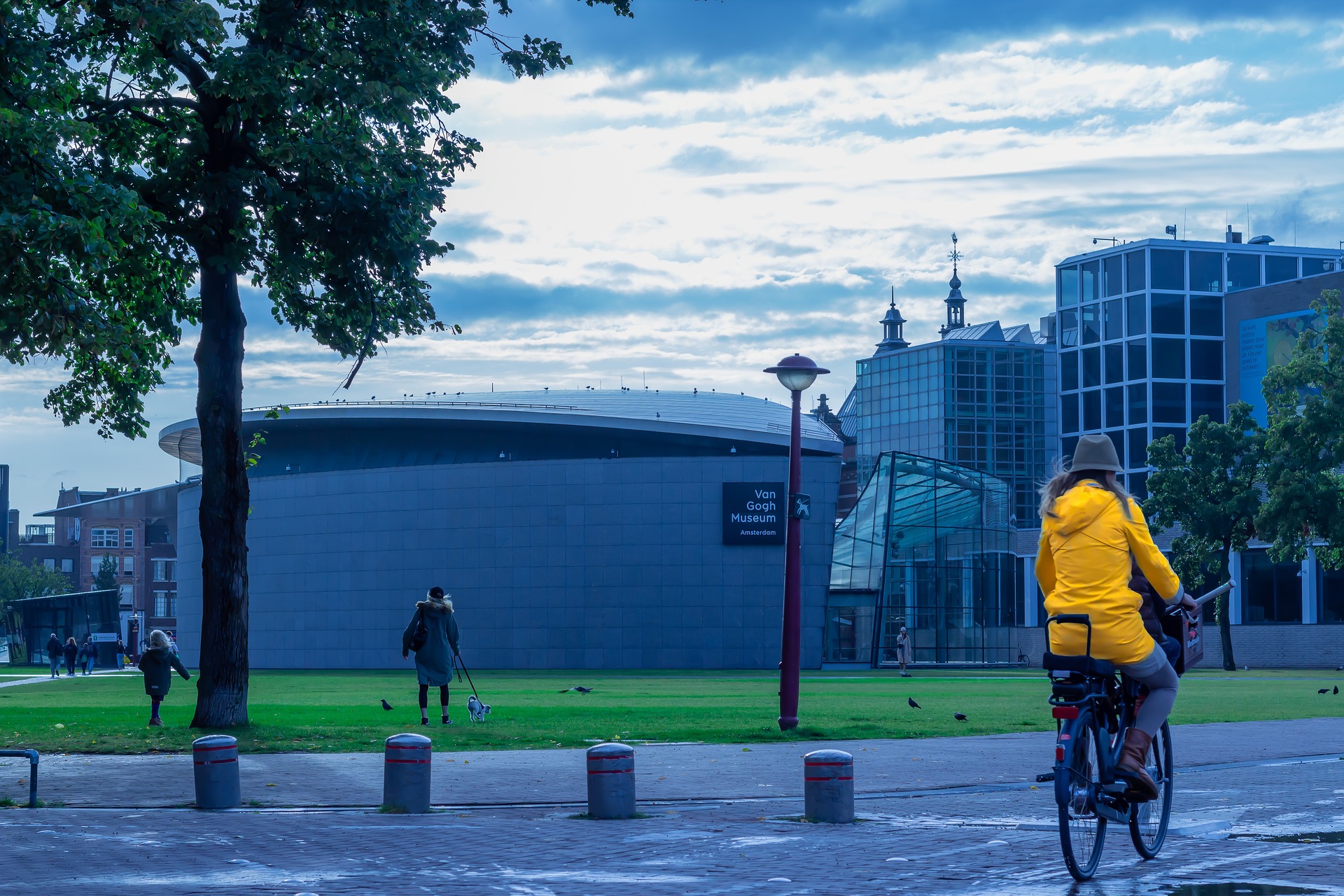
A Complete Guide to Visiting the Van Gogh Museum in Amsterdam
The Van Gogh Museum is one of Amsterdam’s most popular cultural landmarks, attracting millions of visitors annually. For anyone planning to visit this iconic museum, it’s essential to make the most of your experience, especially if you’re unfamiliar with the area or the museum itself. This guide is packed with useful tips, interesting facts, and everything you need to know for a memorable visit.
About the Van Gogh Museum
Located in the Museumplein area of Amsterdam, the Van Gogh Museum is home to the largest collection of Vincent van Gogh’s artworks in the world. It houses over 200 paintings, 500 drawings, and hundreds of letters written by the artist, offering a comprehensive look into his life and creative journey.
How to Get There
The Van Gogh Museum is centrally located and easily accessible:
- By tram: Tram lines 2, 5, and 12 will drop you off close to Museumplein. From Amsterdam Central Station, these trams take around 15-20 minutes.
- By bus: Various buses also stop at Museumplein, including lines 347, 357, and 397.
- On foot or by bike: If you’re staying nearby, the museum is within walking or cycling distance of many central areas.
Purchase Tickets & Book Guided Tours Online
To avoid long queues and disappointment, buy your tickets/book tours online in advance. The museum requires visitors to book a specific time slot, and same-day tickets often sell out, especially during peak season (spring and summer). By booking ahead, you can secure your spot and skip the ticket line.
No post found
Best Time to Visit
The museum is busiest between 10 AM and 3 PM. For a more peaceful experience, visit early in the morning (it opens at 9 AM) or late afternoon. Weekdays are generally less crowded than weekends, particularly during school holidays or summer.
Must-See Highlights
Some of Van Gogh’s most famous works are housed in the museum. Be sure to check out:
- “Sunflowers” (1889): One of his most iconic paintings, part of a series of sunflower works.
- “The Bedroom” (1888): This colorful painting gives insight into his time in Arles, France.
- “Almond Blossom” (1890): A delicate painting created in honor of the birth of Van Gogh’s nephew.
- “Wheatfield with Crows” (1890): Often interpreted as one of his final works before his untimely death.
Explore the gallery chronologically, which follows Van Gogh’s evolution as an artist, from his early dark-toned works in the Netherlands to his bright and bold pieces during his time in France.
Useful Tips for Inside the Museum
- Download the audio guide: Available in multiple languages, the museum offers an insightful audio guide that you can download to your phone. It provides deeper context and background for each of Van Gogh’s works.
- Bring headphones: If you’re using the museum’s app or audio guide, bringing your own headphones will enhance the experience.
- No photography allowed: To preserve the artwork and ensure a pleasant experience for all visitors, photography (even without flash) is prohibited in most areas of the museum.
- Start on the upper floors: The museum spans multiple floors, and the top floors contain the most famous artworks. Starting upstairs and working your way down can help avoid crowds.
Museum Facilities
- Lockers: For security reasons, large bags, backpacks, and umbrellas are not allowed in the galleries. However, free lockers are available for storage near the entrance.
- Café Le Tambourin: Take a break at the museum café, which offers a selection of light meals, snacks, and drinks. The café also has a lovely outdoor terrace.
- Gift Shop: Before you leave, stop by the museum shop to pick up unique souvenirs, such as Van Gogh-themed prints, books, and stationery.
Nearby Attractions
Once you’ve explored the museum, take advantage of its prime location in the Museumplein area:
- Rijksmuseum: Just next door, the Rijksmuseum features Dutch masterpieces like Rembrandt’s “The Night Watch.”
- Stedelijk Museum: A modern art museum, perfect for those who want a change of pace after Van Gogh.
- Vondelpark: A 5-minute walk from the museum, this large park is ideal for a relaxing break.
Interesting Facts About Van Gogh and the Museum
- Van Gogh’s turbulent life: Van Gogh only became famous after his death. He battled with mental illness, cut off part of his ear after a dispute with fellow artist Paul Gauguin, and tragically took his own life in 1890.
- The museum’s opening: The Van Gogh Museum opened its doors in 1973 and was designed by Dutch architect Gerrit Rietveld.
- Vincent’s letters: One fascinating aspect of the museum is the collection of Van Gogh’s letters, primarily written to his brother Theo, which provide deep insight into his thoughts, struggles, and creative process.
- His prolific output: Van Gogh created over 2,000 works in just a decade, despite suffering from periods of severe mental illness. His determination to master his craft is evident in the rapid progression of his style.
- Fakes and forgeries: Due to his posthumous fame, Van Gogh’s work has been the subject of many forgeries. The museum houses one of the world’s top research departments for authentication and has helped identify several fakes over the years.
Accessibility
The museum is fully accessible to visitors with disabilities. Elevators provide access to all floors, and wheelchairs are available for free upon request. There are also audio descriptions and guided tours available for visually impaired visitors.
A visit to the Van Gogh Museum is a must for anyone traveling to Amsterdam. Whether you’re an art aficionado or simply curious about Van Gogh’s life and works, the museum offers a profound and inspiring experience. Plan your visit ahead, take your time to appreciate each masterpiece, and soak in the rich artistic history surrounding one of the world’s most famous painters.